That sulfur smell from your well in Raleigh, Charlotte, or Greenville is almost always hydrogen sulfide gas, usually from sulfur-reducing bacteria living in the iron-rich Piedmont clay around your well. It is not making you sick, but it means your well has a biofilm problem. Here is how to diagnose the source and fix it for good. Schedule a free in-home water test or call (984) 212-3558.
The first time most Carolinas homeowners notice the rotten-egg smell, they have just returned from a week away or flipped on a guest bathroom faucet after months of disuse. The smell hits hard, then fades. A week later it returns, this time on the hot side only. The pattern is almost always hydrogen sulfide, and the source is almost always one of three things. This guide walks the diagnostic test, the staged fixes, and when the problem belongs to a professional rather than a bottle of bleach. Aquafeel Solutions has been treating Carolinas well water since 2007 and our crews are NC-licensed plumbers and WQA-certified.
What Hydrogen Sulfide Actually Is
Hydrogen sulfide (H2S) is a dissolved gas, not a sediment or a solid. Two hydrogen atoms bonded to one sulfur atom. The human nose can detect it at concentrations as low as 0.0005 mg per liter, which is why a tiny amount produces a smell out of proportion to the actual quantity in the water. The EPA does not enforce a federal limit on hydrogen sulfide in drinking water (it falls under secondary standards for taste and odor, generally targeted at or below 0.05 mg per liter for palatability), but the smell is a reliable flag that something deeper is happening in the well.
At the levels we see in Carolinas private wells (typically 0.1 to 5 mg per liter), hydrogen sulfide is not a pathogen and does not accumulate in the body. But it corrodes copper plumbing, blackens silver, fouls water-heater anodes, and almost always signals an active biofilm somewhere in the system. Left alone for months, that biofilm can clog pressure tanks, foul softener resin, and short-cycle a well pump. The smell is the symptom; the biofilm is the disease. For the broader context, the Carolinas well water pillar guide covers regional patterns.
The Three Sources: Bacteria, Anoxic Groundwater, Water Heater
Every rotten-egg complaint we field traces back to one of three sources. Sorting which one you have is the entire diagnostic battle, because the fix is different for each. The "hot vs cold" test in the next section settles it in two minutes.
- Sulfur-reducing bacteria (SRB) in the well or distribution system. SRB are anaerobic organisms that strip oxygen from sulfate and exhale hydrogen sulfide as a metabolic byproduct. They live in biofilms on the well casing, screen, pump column, and pressure tank. In iron-rich Piedmont clay wells (the dominant Carolinas pattern), SRB often colonize alongside iron bacteria (Gallionella, Leptothrix) and the two communities reinforce each other. SRB are not pathogenic, but they are persistent.
- Anoxic sulfate-reducing groundwater chemistry. Some Piedmont and Coastal Plain aquifers naturally run low on dissolved oxygen, especially deep fractured-rock wells with low circulation, older wells that have settled into a stagnant draw zone, and second-home wells that sit unused for weeks at a time. In anoxic conditions, native bacteria reduce sulfate minerals in the bedrock and release hydrogen sulfide directly into the groundwater. The smell appears at both hot and cold taps because the gas is already in the water before it ever enters the house.
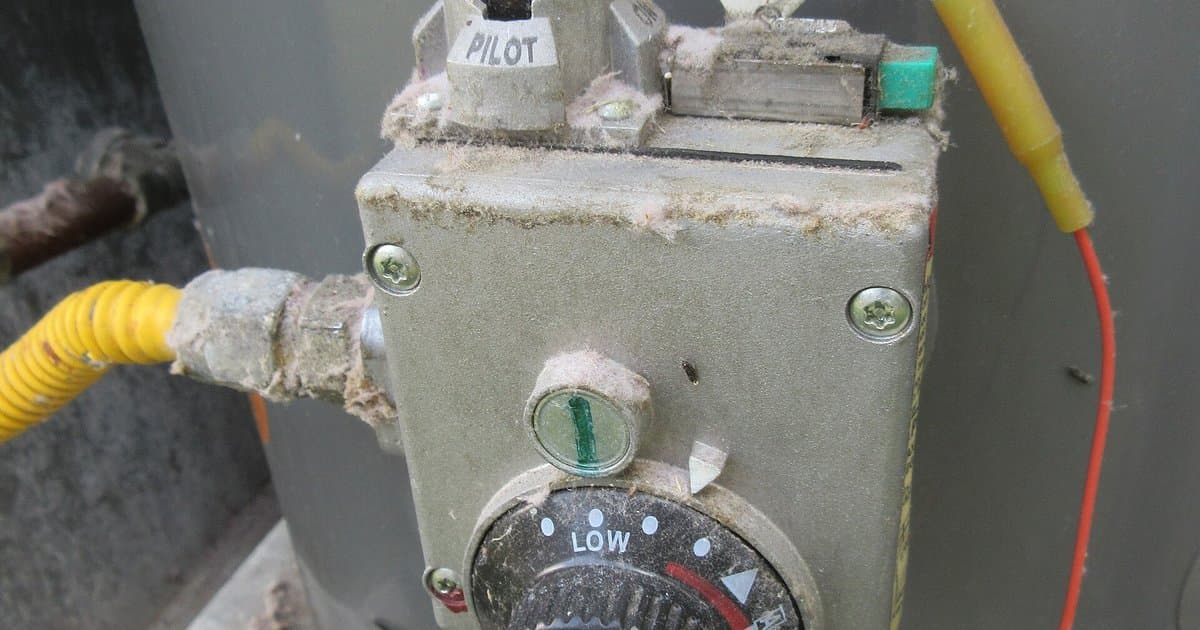
- Magnesium anode rod in the water heater. Every storage water heater ships with a sacrificial anode rod (usually magnesium) that protects the steel tank from corrosion. In wells with even modest sulfate concentrations, magnesium anodes accelerate the production of hydrogen sulfide through a galvanic reaction inside the tank. The classic giveaway: the smell appears only on the hot side, and only after a few days of low hot-water use. Swap the magnesium anode for an aluminum-zinc rod and the smell stops within a week.
Carolina Geology: Why Our Clay Soils Are Sulfur-Prone
The Piedmont region (Raleigh, Cary, Durham, Chapel Hill, Charlotte, Greensboro, Winston-Salem, Hickory, and the upper SC tier through Greenville and Spartanburg) sits on weathered granite, gneiss, and schist. As groundwater percolates through the iron-rich red clay above the bedrock, it picks up dissolved iron, manganese, and trace sulfate from mineralized seams. NC State Cooperative Extension publications on Piedmont groundwater note that the saprolite zone creates ideal habitat for both iron-oxidizing and sulfur-reducing bacterial communities. The two contaminant families travel together more often than not, which is why so many Carolinas wells with rotten-egg smell also show orange iron staining. USGS reports on Piedmont aquifer geology document the same mineralized fracture systems across both states.
Coastal Plain wells (eastern NC and lower SC) follow a different chemistry: sandier aquifers, lower dissolved iron, but occasionally higher native sulfate and longer travel times that favor anoxic conditions. Same hydrogen sulfide endpoint, different upstream geology. The Piedmont granite testing guide covers the bedrock chemistry and the Raleigh iron and manganese guide covers the iron side. Service maps for both states are on the Greenville SC well treatment page.
The Hot Water Vs Cold Water Test
This is the single most useful diagnostic move you can make before calling anyone. It takes two minutes and a clean drinking glass.
- Run the cold tap at the kitchen sink for 60 seconds. Fill a glass, walk away from the sink, and smell it. Note whether the smell is present, faint, or absent.
- Run the hot tap at the same sink for 60 seconds (let it get fully hot). Fill a second glass, walk away, and smell it.
- Repeat at a second fixture in a different part of the house. The guest bathroom is best, because it sees less daily use.
The result maps almost cleanly to the source:
- Smell on hot only, absent or faint on cold: Almost certainly the magnesium anode rod in the water heater. Cheapest fix on the list. Swap the rod for aluminum-zinc and run a tank flush.
- Smell on both hot and cold, stronger after low-use periods, often paired with orange or rust staining: Sulfur-reducing bacteria in the well and distribution system. The fix is shock chlorination plus continuous treatment.
- Smell on both hot and cold, constant year-round, no staining, possibly with a slightly higher pH reading: Anoxic groundwater chemistry. The fix is aeration at the point of entry, often paired with catalytic carbon.
- Smell at one fixture only: Localized biofilm or a stagnant branch line. Often a dead-leg in the plumbing where water sits for days between uses. Flush the line aggressively and re-test.
If the hot-vs-cold test is ambiguous, a free in-home water test settles it. We run hydrogen sulfide, sulfate, iron, manganese, pH, and total dissolved solids together so the source falls out of the chemistry rather than the smell alone.
Schedule Your Free In-Home Water Test
How To Fix Each Source
Once you know which source you have, the fix is fairly predictable. The three protocols below are what we install on Carolinas wells every week.
Fix for sulfur-reducing bacteria: shock chlorination plus continuous treatment
Shock chlorination is a one-time disinfection of the entire well, pump column, pressure tank, and distribution system using a high concentration of chlorine bleach (typically 100 to 200 mg per liter of free chlorine), held for 12 to 24 hours, then flushed thoroughly. Done correctly, it knocks the biofilm back to bare casing. Done incorrectly, it leaves protected bacteria that re-colonize within weeks. Most Carolinas SRB wells need follow-up treatment: either a continuous chlorine-feed system with a contact tank, or an air-injection oxidation system that maintains an aerobic environment hostile to SRB. The well water treatment overview covers the staging options.
Fix for anoxic groundwater: aeration system at the point of entry
If the source is native sulfate-reducing chemistry rather than biofilm, you cannot disinfect the aquifer. The fix is to oxidize the hydrogen sulfide out of the water as soon as it enters the house. An air-injection oxidation tank (Vortech configuration on our installs) pulls atmospheric air into the water stream, oxidizes the H2S to elemental sulfur or sulfate, and filters the resulting solids on a catalytic media bed. A polishing carbon stage downstream cleans up any residual taste. No chemicals required, no salt, no contact-tank logistics. The whole-house filtration page walks the technology.
Fix for the water heater anode: swap to aluminum-zinc
The cheapest fix on the page if it is your source. The magnesium anode rod that came with your water heater is the wrong chemistry for sulfate-bearing well water. Swap it for an aluminum-zinc rod (most plumbing supply houses stock them), flush the tank, and the smell usually disappears within a week. On older tanks where the anode is fused in place, this is a job for a plumber rather than a DIY swap. If your water heater is more than 10 years old, weigh the cost of the rod swap against replacing the tank entirely with a model spec'd for well-water service.
Recommended Method By Symptom
| What you observe | Likely source | Recommended action |
|---|---|---|
| Smell on hot only, faint or absent on cold | Magnesium anode rod | Swap to aluminum-zinc anode, flush tank |
| Smell on hot and cold, worse after vacation, orange iron staining | Sulfur-reducing bacteria biofilm | Shock chlorination, then continuous chlorine feed or air-injection |
| Smell on hot and cold, constant year-round, no staining | Anoxic groundwater chemistry | Air-injection oxidation tank with catalytic carbon polish |
| Smell at one fixture only, others clean | Stagnant branch line or local biofilm | Flush line aggressively, re-test in 7 days |
| Smell plus orange or black staining, slimy deposits in tanks | SRB plus iron bacteria together | Shock chlorination, then air-injection with catalytic media |
| Smell plus high hydrogen sulfide reading (over 2 mg per L) | Severe anoxic or heavy biofilm load | Chemical-feed chlorine with contact tank, then multi-media filtration |
Staging order matters as much as the equipment. Aeration belongs ahead of any carbon polish so the carbon does not load up with sulfur in the first month. Softener resin goes last, after iron and sulfur have already dropped out. For the standard Wake or Mecklenburg County well running mid-range iron with a sulfur signature, a two-tank air-injection plus catalytic carbon configuration handles the full chemistry on a one-day install. The Raleigh well-water treatment page and the Charlotte well-water treatment page cover local specifics.
When DIY Shock Chlorination Works (And When It Does Not)
NC State Cooperative Extension and NCDHHS both publish DIY shock chlorination protocols for private well owners. It works when:
- You have a single-family well with a known depth, intact casing, and an accessible wellhead.
- Your test panel shows hydrogen sulfide under 1 mg per liter and no other heavy contaminants.
- The smell pattern is intermittent and clearly tied to low-use periods rather than constant.
- You can safely shut off the water heater, isolate the home, and bypass any existing softener or RO system during the chlorine soak.
- You can dispose of the flushed chlorinated water without damaging landscaping or a septic field.
Call A Professional If Any Of These Apply
- Your hydrogen sulfide test reads above 1 mg per liter. Loads this high usually indicate active biofilm or anoxic chemistry that shock alone will not resolve.
- You see slimy reddish-brown or black deposits in toilet tanks, pressure tanks, or pump tanks. Combined iron-and-sulfur bacterial colonies require coordinated oxidation plus disinfection, not just chlorine.
- Your well is on a second home, rental, or vacation property with intermittent occupancy. Shock chlorination will work for a few weeks, then re-colonize. A continuous treatment system is the only durable fix.
- The smell came back within a month of a previous shock treatment. That means the biofilm is protected (often inside the pump column or screen) and a single soak cannot reach it.
- You have combined iron, manganese, and sulfur readings. The treatment staging gets complicated and the wrong order will foul each stage in turn.
- Your well casing or pump is more than 25 years old. Older mechanical components can mask bigger problems (casing leaks, screen fouling, pump short-cycling) that shock chlorination will not fix.
- You are on a shared well serving multiple households. The disinfection has to coordinate with everyone's plumbing and water heaters, and an uncoordinated shock can damage neighbors' fixtures.
For the standard Carolinas case (single-family Piedmont well, hydrogen sulfide in the 0.1 to 1 mg per liter range, some iron staining, intermittent rather than constant smell), the free in-home test takes about 45 minutes and the install fits in a one-day window. Call (984) 212-3558, schedule through the contact page, or read regional profiles on the service areas page. The about page covers team credentials and NSF certifications.
Frequently Asked Questions
Is the rotten-egg smell in my well water dangerous to drink?
At the levels found in most Carolinas private wells (0.1 to 5 mg per liter of hydrogen sulfide), the smell is unpleasant but not a direct health risk. Sulfur-reducing bacteria are not pathogens, and hydrogen sulfide gas does not accumulate in the body. The bigger concerns are plumbing corrosion, fouled appliances, and the biofilm itself, which can shelter less benign organisms. Test before assuming.
Why does the smell only show up after we get back from vacation?
Sulfur-reducing bacteria grow most actively in stagnant water. When the well and pipes sit unused for a week, hydrogen sulfide accumulates in the lines and the pressure tank. The first slug out the faucet smells strongest, then fades as fresh water replaces the stagnant water. This pattern is the single most reliable signal that you have an SRB biofilm rather than anoxic groundwater chemistry.
Will a standard carbon filter remove the rotten-egg smell?
Only at very low concentrations (under about 0.3 mg per liter) and only for a short time before the carbon saturates. Catalytic carbon performs better than standard activated carbon because it actively oxidizes hydrogen sulfide rather than just adsorbing it, but even catalytic carbon belongs downstream of an oxidation stage on most Carolinas wells.
How long does shock chlorination keep the smell away?
On a well with intermittent SRB activity and no recurring contamination source, a properly done shock can hold the smell off for six months to a few years. On wells with deep biofilm in the pump column or anoxic chemistry feeding the bacteria, the smell returns within weeks. If your second shock fails inside a month, the problem is not solvable by chlorine alone and continuous treatment is the right answer.
Can I just open the windows and air out the water to fix this?
Hydrogen sulfide does volatilize when water is exposed to air (this is exactly what an aeration tank exploits), but you cannot solve the problem at the faucet because the gas keeps regenerating upstream. The aeration has to happen at the point of entry, in a contained tank where the off-gas can be vented safely outside.
Should I get my well water tested for bacteria too?
Yes. NCDHHS and NC State Cooperative Extension both recommend annual testing of private wells for total coliform, E. coli, and nitrates at a minimum. If you have a rotten-egg smell, add hydrogen sulfide, sulfate, iron, manganese, and pH to the panel. A free in-home test covers all of these together.
Ready to find out exactly what is causing the smell? Schedule a free in-home water test, call (984) 212-3558, or visit the blog for related Carolinas well guides. Aquafeel Solutions has been treating Carolina well water since 2007, with NSF 42, 44, 53, 58, 61, and 372 certifications and a BBB A+ rating since 2018. For private-well guidance, the NCDHHS Private Well Water program publishes the state's testing and treatment protocols, and the NC State Cooperative Extension well-water publications cover the diagnostic procedures in detail.