If you've moved around within North Carolina, you may have noticed that tap water tastes, smells, and behaves differently depending on which city you're in. That's not imagination. The four largest municipal water utilities in the state, OWASA (Chapel Hill/Carrboro), Raleigh, Charlotte Water, and CFPUA (Wilmington area), draw from completely different source waters, use different disinfection approaches, and face different regional contamination concerns.
Source Water
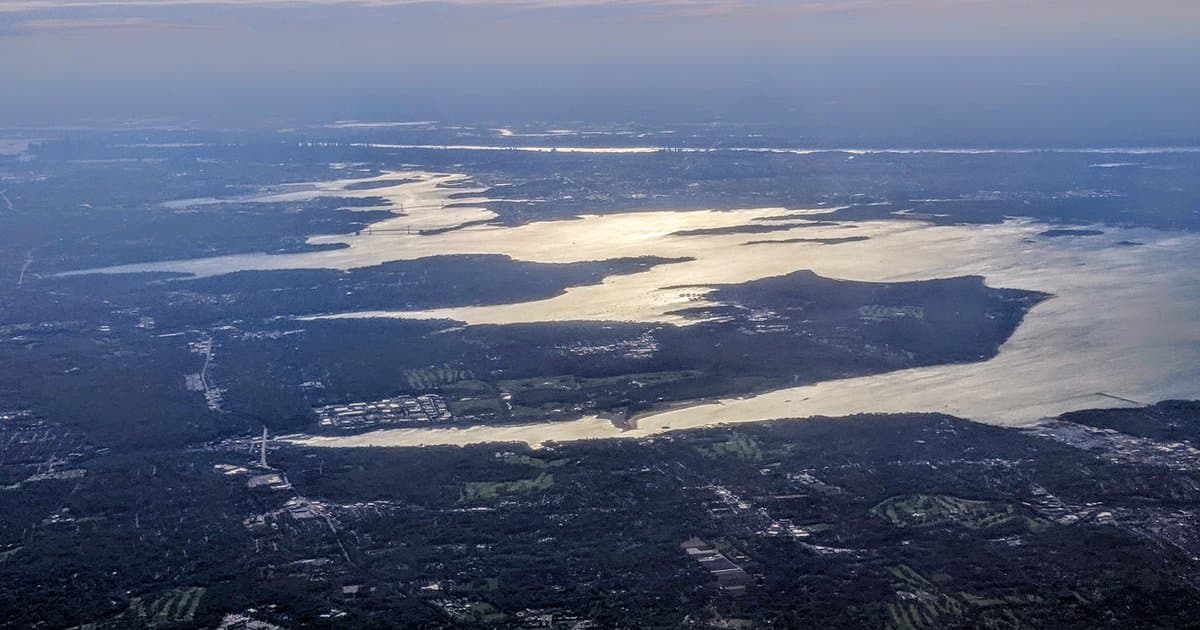
OWASA: Cane Creek Reservoir and University Lake (primary); 5% Jordan Lake (backup). Both small, locally-managed reservoirs with organic-rich surface water.
Raleigh: Falls Lake (primary, via E.M. Johnson WTP); Lake Benson and Neuse River (secondary, via Dempsey Benton WTP).
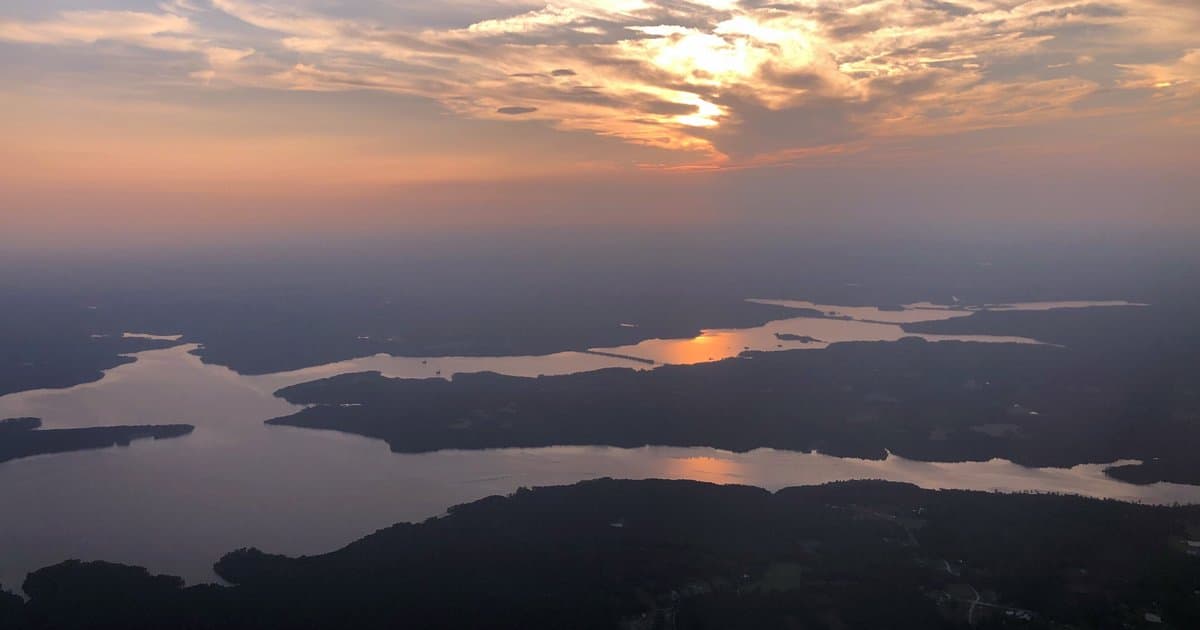
Charlotte Water: Catawba River Basin sources, Mountain Island Lake and Lake Norman. Duke Energy-managed reservoirs with large volume and relatively low organic content.
CFPUA: Cape Fear River (primary, via Sweeney WTP). Downstream of Chemours Fayetteville Works, the primary reason for the $43M GAC upgrade.
Hardness Compared
Charlotte Water: approximately 32 ppm (1.9 gpg), soft (verified from 2023 CCR). OWASA, Raleigh, CFPUA: generally soft, Piedmont surface water. Most North Carolina homeowners do not need a water softener, most NC municipal water is soft.
Disinfection Methods
OWASA: Chloramines year-round + annual March chlorine burn (~2 weeks).
Raleigh: Chloramines + ozone. Ozone used in pre treatment to reduce DBP formation.
Charlotte Water: Chlorine primarily; sometimes chloramine.
CFPUA: Verify current disinfection approach in the latest CCR.
For home filtration: Standard activated carbon removes free chlorine (good for Charlotte). Catalytic carbon required for effective chloramine removal (OWASA and Raleigh customers).
Regional Contamination Concerns
CFPUA/Cape Fear basin: PFAS (GenX) from Chemours. Monitored and mitigated by $43M GAC upgrade at Sweeney WTP.
OWASA/Raleigh/Triangle: 1,4-dioxane in Haw River basin (affects Pittsboro directly; limited OWASA exposure via Jordan Lake backup). Relatively low documented PFAS.
Charlotte Water: Lower documented PFAS and 1,4-dioxane than Cape Fear or Haw basins. Standard DBP concerns.
Private well owners: Well water is not municipal water. Do not assume well water mirrors the nearby utility.
Annual CCRs
Every community water system publishes a Consumer Confidence Report by July 1 each year. The CCR is the most complete source for TTHM/HAA5, lead/copper, PFAS monitoring, source water details, and any violations. Where to find: owasa.org/water-quality-report, raleighnc.gov/water-and-sewer, charlottenc.gov (Water Quality section), cfpua.org water quality. Aquafeel Solutions Carolina provides free in-home water testing across all four major NC utility service areas. Call (984) 212-3558 to schedule.