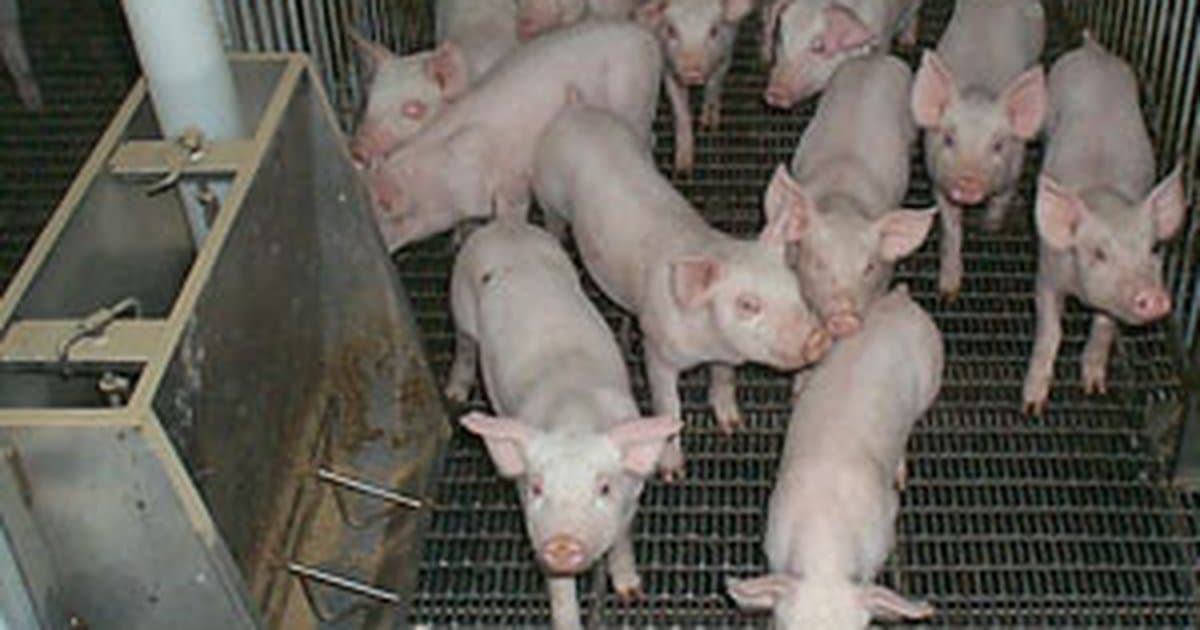
Eastern North Carolina hosts one of the most concentrated hog farming regions in the United States. Between 8 and 9 million hogs are raised across the state, roughly half of them in Duplin and Sampson Counties alone. That concentration of animal agriculture creates a corresponding concentration of animal waste, most of it stored in open lagoons and sprayed onto nearby fields as fertilizer. For private well owners in the eastern part of the state, this has measurable implications for groundwater quality.
The Geography of NC Pork
Duplin County: approximately 1.8 million hogs. Sampson County: approximately 1.75 million hogs. Bladen County: home to the Smithfield Tar Heel plant, processing capacity of 32,000 hogs per day, largest in the world. Robeson County also frequently cited in environmental and public health literature.
How CAFO Operations Affect Groundwater
Open-air lagoons leak some fraction of stored liquid into the subsurface over time. Spray-field runoff infiltrates groundwater during heavy rainfall events. Storm events can cause lagoon overtopping or failure. Surficial aquifers near spray fields can intercept infiltrating liquid within months.
What USGS/NC DENR Studies Show
Wells within CAFO watersheds show elevated nitrate and ammonia concentrations compared to control wells. Approximately 60% of CAFO watersheds show measurable impacts from swine or poultry manure based on geochemical tracers.
EPA Title VI Investigation
On January 13, 2022, EPA opened a Title VI civil rights investigation into NC DEQ based on a September 2021 SELC complaint. Focus: DEQ's biogas and swine waste digester permits for Duplin and Sampson County operations (March 31, 2021). Alleged disproportionate impacts on Black, Hispanic, and Native American communities in eastern NC.
The Nitrate Concern
EPA MCL: 10 mg/L (as nitrogen). Acute health risk: methemoglobinemia, "blue baby syndrome" in infants under 6 months. This is the only drinking water MCL specifically set for acute risk. For infants under 6 months, nitrate above 10 mg/L is a direct and immediate danger. Chronic exposure at elevated levels has been associated with thyroid effects, certain cancers, and pregnancy complications.
Hurricane Debby 2024, The Relevant Storm
Hurricane Helene (September 27, 2024) hit western North Carolina, the mountains around Asheville, not the eastern hog country. The storm that matters for eastern NC well owners is Hurricane Debby (August 2024), which caused widespread flooding across the eastern two-thirds of the state.
Testing Priorities for Rural Eastern NC Wells
Annual: nitrate, coliform + E. coli, ammonia. Every 2 years: general chemistry panel. Post-storm: coliform + E. coli + nitrate mandatory before resuming drinking, cooking, or brushing teeth.
Treatment for Nitrate
Reverse osmosis (point-of-use): 90–99% reduction. Nitrate-selective anion exchange resin (whole-house), important: standard sulfate-selective softener resin can dump nitrate back into water when exhausted. You specifically need a nitrate-selective resin. Distillation: near-complete removal but slow. Aquafeel Solutions Carolina provides free in-home water testing across North Carolina including eastern NC.